Friday, June 17, 2011

Walled cities


These are the city walls in Athens and Istanbul. I wonder which of the cities I visit over the next three weeks will be walled cities?

I'm traveling again for three weeks from this evening - Madrid, Portugal, three cities in Morocco, back to Madrid, then Valencia and Barcelona. I'll look out for the walls and when I get back I'll take some photos of Valletta and Grand Harbour bastions. The concept of the walled city is no longer useful yet the fascination remains.

Saturday, June 11, 2011

The middle sea


This is Oceanus in the Museum of Archaeology in Turkey.

I have seized on a new project. I will document all my travels around the Mediterranean sea on a huge chart that I have acquired from the chart office I discovered just across the road from me in Valletta. I will put the chart up on the pristine walls of my renovated flat and gradually fill in the journeys I have been on and will plan in the future. I will also add little snippets about the people in the past whose journeys I cross in my travels.

I have looked back at my blog and some of the early posts will help. My travels this year are directly relevant and in the time that remains to me I will fill in the gaps of the places I have not yet visited.

But for this evening I am off to Ghanafest in Argotti gardens, Floriana, Malta!

Saturday, May 28, 2011

Greece and Turkey


I have been traveling through Greece to Istanbul with a friend from Australia. As I settle back into my home base in Malta I have started to reflect on the difference between living here and living in Australia.

Apart from the obvious contrasts that I have spoken about in previous posts, the location of Malta at the heart of the Middle Sea means that the discoveries I make about the countries that border the Mediterranean have implications for Malta as well. I feel the same awe as the Australian when I find myself standing in a place I learnt about in school, but now, as a Maltese resident, I feel an insider connection with a shared history that has shaped and been shaped by this powerful sea.

The people whose names are whispered or shouted in Thessaloniki, Alexandropoulis, Istanbul are people whose stories have shaped Maltese culture as well. The travels of St Paul, the glory of Byzantium, the campaigns of the Ottomans, all resonate through the cultural landscape of Malta.

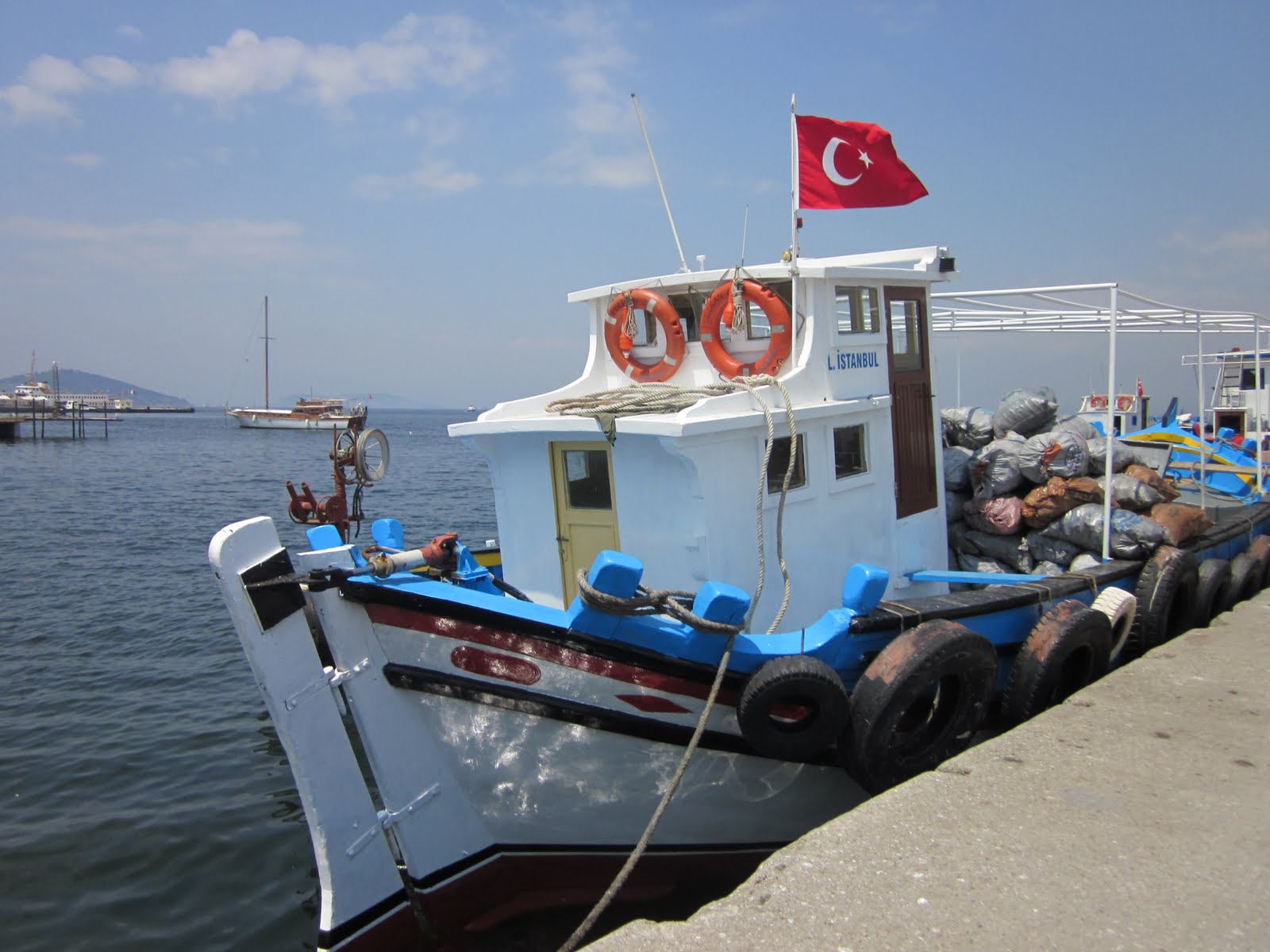
I'll try to capture a little of that in my next posts. In the meantime, the photos are of the Greek flag above a monastery in Meteora and the Turkish flag on a fishing boat on the Marmara sea.

Thursday, April 7, 2011

Fort Manoel


Last Sunday the Malta Council for Culture and the Arts compiled a tour that got me thinking about the relationship between conservation of our historical heritage and big commercial ventures.

Fort Manoel has been beautifully restored but we have not yet paid the devil's dues. The conservation work on the fort is complete but Midi have not yet started on the development that will fund the investment.

Most people in Malta now feel saddened when they look at the overdevelopment of Tigne Point which dominates the peninsula and pushes the fort into insignificance. I hope that the development of Manoel Island will be more restrained and will leave the green surrounds of the fort so that its dramatic symmetry will still be readable.

The conservation work has not attempted to recreate the original. Where new work has been needed to enable the shape of the past to emerge, the conservators have not attempted to pretend that the new work is old. New work suggests the original intention but does not attempt to mimic intricate patterning.

The photos are of the ditch, the walls, the arsenal and the chapel. The enormous square at the centre of the fort has been used as an outdoor concert venue in the past and it is probable that the surrounds will become tourist venues. In the meantime, we enjoyed Sunday morning with the fort to ourselves.

Saturday, March 26, 2011

Valletta, capital of culture, part 1


There should be something happening every day. That's one of the propositions put forward at the meeting I attended about Valletta as EU capital of culture in 2018.

That will be the easy part because it's already happening. Even the physical infrastructure is already in place and there are certainly artists producing high quality work here in Malta. What will need a lot of groundwork and imagination is community engagement in art production, not just consumption, and contemporary artwork that challenges the status quo.

I want to give a brief glimpse of what's already happening by summarising some of my cultural activities over the last couple of months. Rather than give a chronological list, I'll group according to some of the cultural venues that are currently in use in Valletta.

I have to start with the churches. Not only are they the hub of the year round programme of fiestas, exhibitions and processions, but now they also play host to lunchtime and evening concerts. Sometimes these are associated with fund-raising projects such as the restoration of the chapel of St Catherine of Italy. The model of lunchtime concerts that was adopted here with the collaboration of St James Cavalier has now been emulated by several other churches in the capital sometimes with the effect of direct competition for audiences.

The restoration of St Catherine's is now nearing completion and perhaps in the spirit of community cultural development, the programme has been reduced to Sundays only and is currently held in the Music room of St James Cavalier. For several years, their programme has raised the profile of the venue, played a major role in raising restoration funds and seeded the idea of high quality lunchtime recitals. Now other venues can capitalise on this foundation and offer their own programmes. So over the past few weeks I've attended lunchtime recitals at St Paul's Anglican Pro-Cathedral (every two weeks on a Tuesday), a beautiful evening concert by Malta's only male voice choir, Cappella Sanctae Catharinae at the Jesuit Church in Merchant Street, and next week I'll take a friend, visiting from UK, to a lunchtime recital of Baroque music at St Francis church in Republic street. Unfortunately, the two lunchtime recital venues are now competing so I have to choose which to attend.

St James Cavalier, or perhaps I should name in particular violinist Sarah Spiteri and pianist/composer/bass singer Alex Vella Gregory, play a key role in much of the cultural activity happening around Valletta. They run their own lunchtime concert series, Performers Platform, on Wednesdays in the Music Room, but also serve as a hub for information and bookings.

St James is a multi-arts venue. The brilliant restoration of the old Knights' cavalier includes several gallery spaces showing top quality work by Maltese artists and sometimes expatriate artists with links to Malta. For a while, Malta Contemporary Art found a home in the upper galleries, but for some reason they have moved out this year as I learnt when I attended the first lecture in a series called Contemporary Art in Dialogue with... organised by Dr Raphael Vella of University of Malta at St James Cavalier.

In part 2, I'll talk about the other cultural spaces in St James Cavalier and get on to the other venues around Valletta.


Wednesday, March 23, 2011

One last carnival


Next post I'll return to words but photos are good for carnival!

Sunday, March 20, 2011